
Protein Bars vs Protein Roti: Which One Is Better for You?
MOORAV FOODTECH PRIVATE LIMITED AdminImagine it is 6 in the evening, and you're starving. Standing in front of you, there are two choices: A warm and fresh protein-rich roti or a wrapped protein bar from your gym bag. Both promise protein; both promise to be “healthy”.
But which one is the ultimate right choice?
Only one of them is a real food, and once you know why, you won't ever look at protein bars the same way again.
Let’s discover who wins the protein bars vs protein roti debate.
Why This Debate Even Matters?
Protein is very much in the limelight nowadays. Every product in the snack aisle has labels like “high protein”, and every gym influencer on Instagram is promoting a new protein bar. And the truth? It is actually tempting to assume that anything labelled “protein” is automatically good for you.
To be fair, the whole protein bars vs protein roti isn't a valid fight. One is an actual whole food that can be easily incorporated into an everyday diet, and the other is a factory-made product engineered for a shelf.
It is true that protein bars may seem like a convenient option at first, but when you compare them side by side, protein roti and protein atta are many steps ahead.
|
FUN FACT 🌯: The human body cannot store extra protein the same way it stores fat or carbs. Whatever isn’t used gets broken down. This means it is important to spread your protein intake evenly throughout your meals rather than dumping it all in one snack or drink. So protein can keep working for you all day instead of getting wasted in a big one-time dose. |
What Exactly Is a Protein Bar?
A protein bar is a compact and packaged snack bar built around whey or plant protein isolates. It is held together with binders, sweeteners, and preservatives so it can survive months on a shelf. The concept sounds efficient to every protein freak until you look closer.
Advantages of Protein Bars: Why They're Limited
For a fair argument, yes, advantages of protein bars do exist. The major protein bar benefits are worth mentioning:
- Convenience: No cooking, just rip and eat.
- Portability: Fits in a bag or pocket easily, so you can take it anywhere.
- Fixed Protein Count: You know the number on the label. Most of them have around 10- 30 grams of protein in one serving.
And this is where the list ends. The benefits of a protein bar are narrower than they market. If you haven't noticed, there is no fiber worth mentioning, no real micronutrients, no connection to an actual meal.
Related reads : High Protein Atta
It's protein delivered in isolation, not nourishment. Let’s discuss the downside of this quick snack.
Protein Bar Disadvantages: The Part the Label Doesn't Tell
Unfortunately, the list in this section goes way longer than the advantages. Let’s have a look at some protein bar disadvantages that you must know:

- Most bars are loaded with added sugars hidden behind names like “brown rice syrup” or “natural sweeteners”.
- They're highly processed, stripped of the fiber, minerals, and slow-release energy that whole grains naturally have.
- Many use sugar alcohols that cause bloating, gas, and digestive discomfort.
- They can be calorie-dense without being full of nutrients. You feel full of sugar and not actually nourished.
- Relying on bars daily quietly replaces real meals with something your body is not meant to run on.
- They're often expensive per serving for what is essentially a candy bar in protein marketing.
The truth is, the benefits of eating protein bars are situational. You should keep in mind that they were built for convenience, not for daily nutrition.
Treating them as a meal replacement is just a disservice to your body.
What Are Protein Rotis? Are They The Everyday Winner?
It is time to talk about the food that can easily outperform these packaged snacks in the market. Protein Roti!
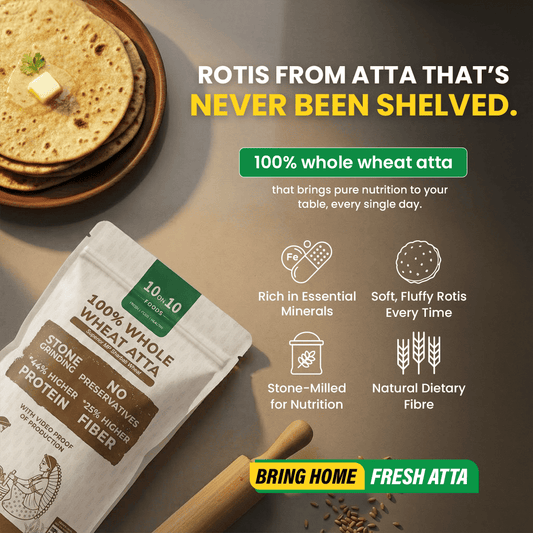
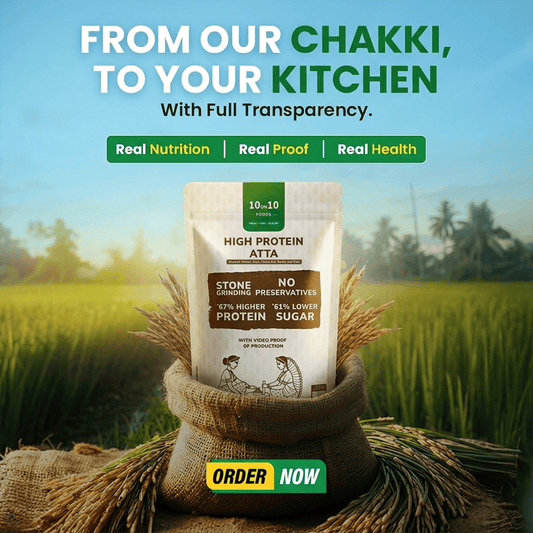
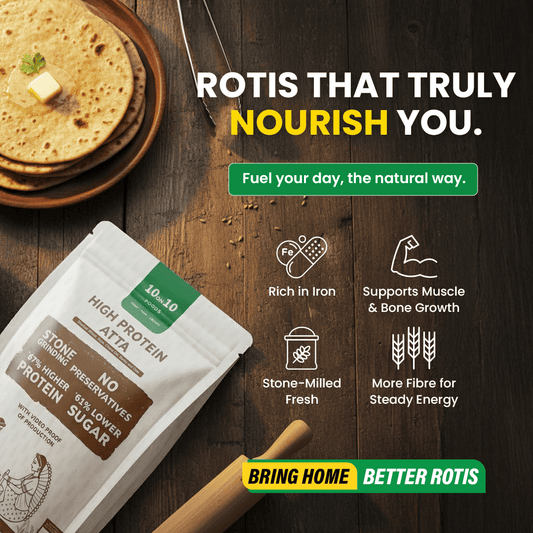
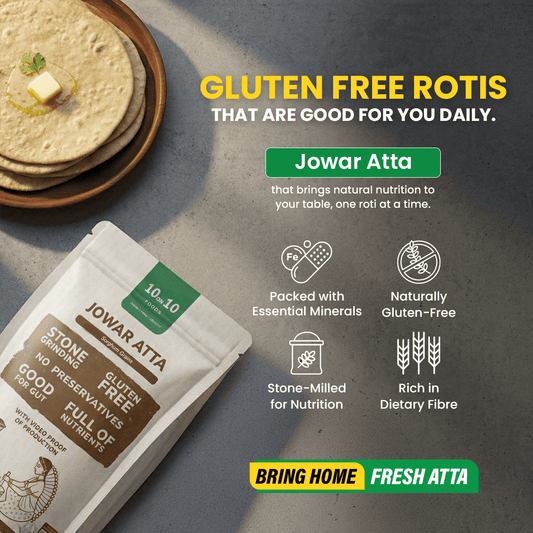
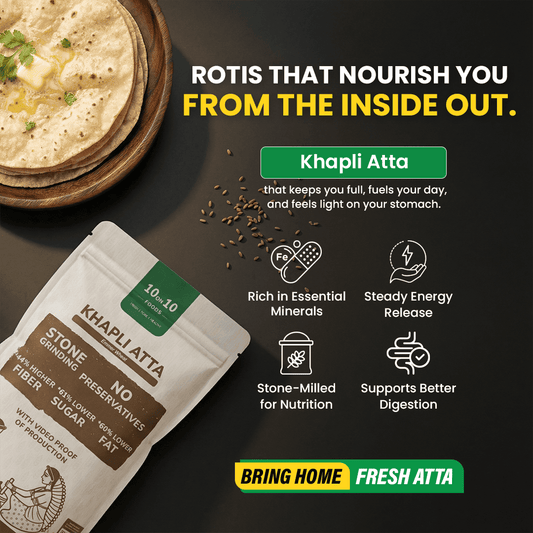
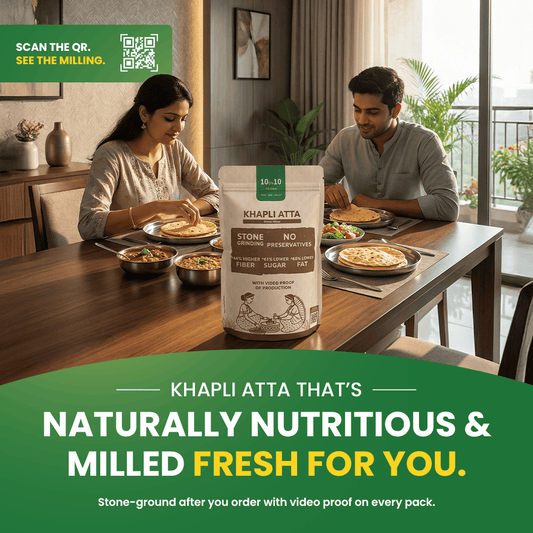
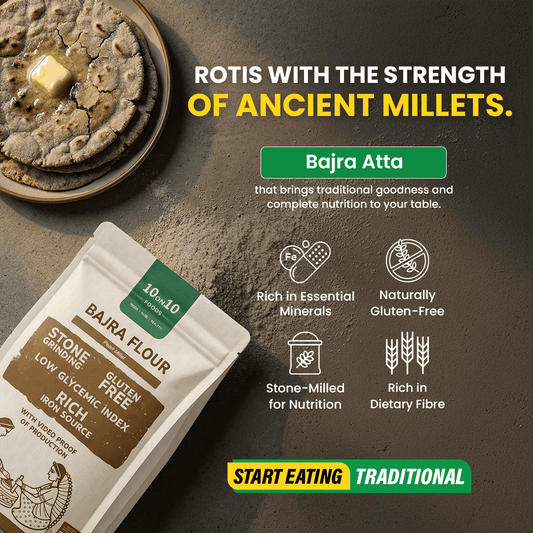
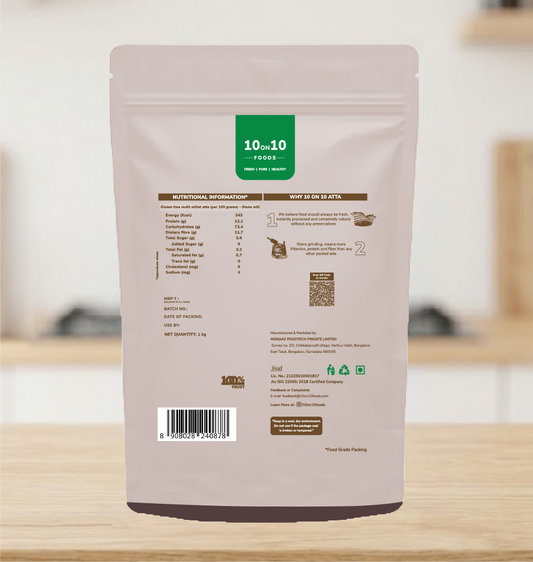
It starts with protein atta, which is a stone-ground flour milled fresh and available in 17g, 23g, and 40g protein-per-100g options. You can choose from high-protein moong, quinoa, coconut, jackfruit, and barley flours, according to your preference.
💡PROTIP: Check out the 10on10 Foods Everyday Protein range to get freshly milled, stone-ground protein atta right at your doorstep.
You can blend these flours into your roti to make a high protein roti recipe and turn a meal you're already eating every day into a protein and fiber powerhouse.
No lab. No high costs. Just smarter and fresher flours.
High Protein Roti for Weight Loss: Why Nutritionists Actually Recommend It
Since protein roti is easy to incorporate into daily meals, it is such a good option for increasing protein intake with a balanced diet. You can gradually feed protein to your body in small doses throughout the day.
Even if you are looking for diet plans to lose a little weight, high protein roti for weight loss isn't just a trend; it's backed by simple nutrition logic:
- Fiber and protein keep you full for longer by cutting down on mindless snacking.
- Your body works harder to digest protein. So eating them gives your body a small metabolic edge.
- It stabilizes blood sugar instead of spiking and crashing it like sugar-laden bars.
- It naturally pairs with dal, sabzi, and vegetables, building a complete meal instead of an isolated snack.
- It fits into a routine you'll actually sustain for years, not just a few weeks. This means it’s easier to be consistent.
The biggest difference between protein bars and protein roti is that these rotis aren’t a processed snack or some quick solution. They are a change in your daily meal that can help you actually change your body long-term and maintain consistency. It will give you a sustainable result.
High Fiber Roti: The Ingredient Bars Simply Don't Have
Here’s the one thing most protein bars can never compete with: “fibre”. A high fibre roti does so much more than fill you up. It feeds the bacteria in your gut, slows the absorption of sugar, keeps digestion smooth, and supports long-term metabolic health.
Fiber is quite the most valuable player in weight management. It's something a factory-sealed bar simply cannot replicate. Protein atta is designed to keep the fiber intact because it starts with whole grains and pulses, not just whey protein.

The Real Comparison: Protein Bars vs Protein Roti
Numbers help put a clear picture. Here's how the two actually look when you put them side by side.
|
Factor |
Protein Roti made with Protein Atta |
Protein Bar |
|
Processing |
Minimal: made fresh at home |
Heavy: factory-manufactured |
|
Fiber content |
High |
Usually low to negligible |
|
Added sugar |
None, when made right |
Often high |
|
Satiety |
Long-lasting, real fullness |
Short-lived, sugar-driven |
|
Cost per serving |
Budget-friendly |
Often expensive |
|
Sustainability as a daily habit |
Excellent |
Poor |
|
Best used for |
Everyday meals, weight management |
Rare emergencies only |
Protein roti wins on almost every front that matters for long-term health. It has fiber, sugar, cost, and sustainability. Protein bars have speed, and speed alone was never a good enough reason to build a daily diet around.
So, Which One Is Actually Better for You?
Let's be direct, shall we? For everyday meals and easy consumption, protein roti made with protein atta is the clear winner. It’s actually filling food that is rich in fiber, keeps you full for hours, and doesn't come with a hidden sugar crash. This makes it a valid option for people trying to lose weight or diabetic patients. You don't have to think twice before adding a high protein roti recipe to your diet.
Benefits of eating protein bars are only useful for those rare moments when you are stuck in traffic, mid-flight, or literally have no immediate access to real food. They can help you feel full momentarily. Although you should try that even in those situations, protein bars are the last resort.
The smartest move is building your everyday nutrition around protein roti and protein atta, and keeping bars as a rarely used backup, not a lifestyle.
Where 10on10 Foods Comes In
This is exactly why 10on10foods.com exists. Instead of pushing you toward “convenient but processed”, 10on10 Foods brings the main ingredient for a high protein roti recipe: protein atta. These blends are made for real Indian kitchens, so there are no compromises on taste and no hidden sugar.
Every product from 10on10 Foods is built around one simple belief. Protein and fiber should come from real food, not a lab-made bar.
Whether your goal is building muscle, managing weight, or simply eating cleaner without giving up your daily roti, we make it effortless to turn a staple you already eat every day into a high protein roti for weight loss or healthy eating.
So the next time you're comparing labels, remember you don't need a bar wrapped in plastic when your roti can already do the job better.
With 10on10 Foods' protein atta and high-protein range, your daily meal is the upgrade.
Frequently Asked Questions
Frequently Asked Questions
Q1: Is protein roti better than a protein bar for weight loss?
A: Of course, yes. A high-protein roti for weight loss is all about fibre, complex carbs, and protein all together to keep you full for hours. That is something that these protein bars just can’t compete with.
Q2: Can I replace my meals with protein bars?
A: We wouldn’t suggest it. Protein bar disadvantages include factors like being low in fibre, heavily processed, and loaded with hidden sugars. Bars are a poor long-term choice for balanced, whole-food meals like protein roti.
Q3: What makes protein atta better than protein powder in bars?
A: Protein atta is made from whole grains and pulses, retaining their natural fibre and nutrients. Bars usually only have protein, which means they don't have the fibre and other micronutrients from it.
Q4: Are protein bars ever a good choice?
A: Occasionally, like in the case of a genuine emergency with no access to real food. Beyond that, the advantages of protein bars don't outweigh what a fresh protein roti offers daily.
Q5: Where can I find high protein roti and protein atta?
A: 10on10foods.com offers high-protein, high-fiber roti and protein atta products made for everyday Indian meals.
Wrapping Up
When it comes to protein bars vs protein roti, this isn't really a close contest. Bars are for rare emergencies, while protein roti and protein atta are for real life. They are there for every meal, every day, without compromise.
And with brands like 10on10 Foods making high-protein and high-fiber roti this easy to make, there's really no reason to reach for a made-for-shelf bar when your roti already does it better.