
From School Lunches to Gym Diets: How Better Flour Can Solve Nutrition Gap
MOORAV FOODTECH PRIVATE LIMITED AdminShare
Introduction: India's Hidden Nutrition Crisis
There's a quiet emergency unfolding in Indian kitchens, school cafeterias, and gym bags across the country. Despite being one of the world's largest food producers, India faces a paradox: we're eating enough calories, but we're starving for nutrients.
According to the 2024 Global Hunger Index, India's child stunting rate stands at 32.9%, with child wasting affecting 18.7% of our youngest population. But here's what's even more alarming—recent studies from the Centre for Energy, Environment and Water (CEEW) reveal that nearly 50% of Indian protein intake comes from low-quality cereals, while only 12% of our daily calories come from protein (the recommended amount is 15%).
Whether you're a parent packing school lunches, a fitness enthusiast planning your next meal prep, or someone simply trying to eat healthier, the solution might be simpler than you think: it starts with what flour goes into your kitchen.
The Foundation Problem: What's Wrong With Our Daily Flour?
The Nutritional Gap in Traditional Flours
Most Indian households rely on refined wheat flour (maida) or basic wheat flour (atta) as their dietary staple. While these provide energy, they fall short on delivering complete nutrition.
Nutritional Comparison: Refined vs. Whole Grain Flours
|
Nutrient |
White/Refined Flour (per 100g) |
Whole Wheat Flour (per 100g) |
Difference |
|
Fiber |
3g |
10.7g |
+257% |
|
Protein |
10-11g |
13-14g |
+27% |
|
Iron |
1.2mg |
3.6mg |
+200% |
|
Magnesium |
22mg |
138mg |
+527% |
|
Zinc |
0.7mg |
2.6mg |
+271% |
Source: USDA Nutrient Database & Farm-to-table research studies
When flour is refined, we lose up to 72% of major minerals and 64% of trace minerals—the very nutrients our bodies desperately need for growth, immunity, and energy.
Why Kids Need Better Nutrition
The School Lunch Reality Check
India's Mid-Day Meal Scheme feeds approximately 120 million children daily—one of the world's largest school feeding programs. While the initiative is commendable, implementation challenges often lead to calorie-rich but nutrient-poor meals.
Government guidelines mandate:
- 450 calories and 12g protein for primary school children
- 700 calories and 20g protein for upper primary students
But here's the catch: with rising food inflation and limited protein sources, many schools struggle to meet these protein targets consistently. The absence of diverse protein-rich ingredients means children often consume meals dominated by white rice and basic wheat products.
Why Protein Matters for Growing Bodies
Children aged 6-18 require 0.95-1.0g of protein per kg of body weight daily for optimal growth. Protein deficiency during these formative years leads to:
- Stunted growth and delayed development
- Weakened immune systems
- Poor concentration and academic performance
- Increased susceptibility to infections
- Long-term metabolic issues
The Solution? Start with protein-enriched staples that can be seamlessly integrated into everyday meals—rotis, parathas, dosas, and even baked snacks.
India's Growing Fitness Movement Needs Better Fuel
The post-pandemic era has witnessed an explosion in health consciousness. Gym memberships have surged, home workouts have become mainstream, and more Indians are prioritizing fitness than ever before.
But there's a disconnect: while people are working out more, their nutrition often doesn't match their goals.
Protein Requirements for Active Individuals:
|
Activity Level |
Protein Requirement (per kg body weight) |
|
Sedentary adults |
0.8g |
|
Regular exercisers |
1.0-1.2g |
|
Strength training |
1.6-2.2g |
|
Endurance athletes |
1.2-1.6g |
|
Athletes over 65 |
1.2-2.0g |
Source: International Society of Sports Nutrition
A 70kg individual doing regular strength training needs approximately 112-154g of protein daily. Meeting this through traditional Indian diets—heavily reliant on cereal-based foods—becomes challenging without smart ingredient swaps.
The Millet Revolution
Why Jowar Deserves a Spot in Every Kitchen
Jowar (sorghum) isn't new—our grandparents have been consuming it for generations. What's new is our renewed understanding of its exceptional nutritional profile.
Jowar Flour: Nutritional Powerhouse
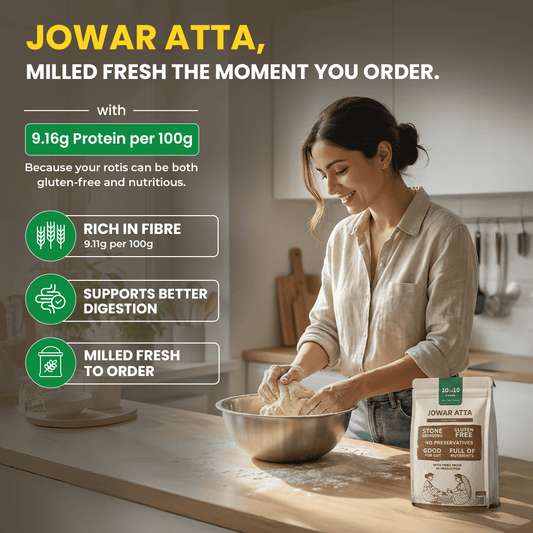
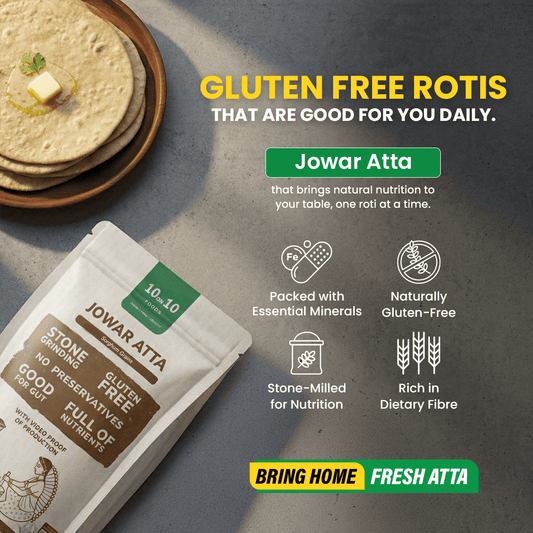
- Gluten-free naturally, making it suitable for celiac patients
- Rich in antioxidants like phenolic compounds that fight inflammation
- High in dietary fiber (9-10g per 100g) for digestive health
- Good protein content (10-11g per 100g) with essential amino acids
- Packed with minerals: Iron, phosphorus, potassium, and calcium
- Low glycemic index (62), helping manage blood sugar levels
Research published in the Journal of Nutrition reveals that millets like jowar contain unsaturated fatty acids including linoleic and oleic acid, contributing to heart health and reducing cholesterol levels.
For gym-goers and athletes, jowar flour offers slow-releasing energy—perfect for sustained workouts without energy crashes. For parents, it's a wholesome base for rotis, dosas, and even cookies that kids actually enjoy.
The Multi-Grain Advantage
Beyond Single-Grain Thinking
Our ancestors intuitively understood something modern nutrition science is now confirming: dietary diversity is crucial for optimal health.
Multigrain flour combines the strengths of various grains and millets—wheat, jowar, bajra, ragi, oats, and more—to create a nutritionally complete foundation.
Why Multigrain Flour Matters:
- Complete Amino Acid Profile: Different grains complement each other's amino acid gaps, providing better protein quality
- Enhanced Fiber Content: Mix of soluble and insoluble fiber for gut health
- Broader Micronutrient Spectrum: Each grain contributes unique vitamins and minerals
- Sustained Energy Release: Combination of different carbohydrate types prevents blood sugar spikes
- Better Taste and Texture: Makes healthy eating more enjoyable and sustainable
According to research comparing dietary patterns, households consuming diverse grain sources showed significantly lower incidence of protein deficiency compared to those relying on single grain types.
The High-Protein Flour Revolution
Meeting Modern Nutritional Needs
Here's where innovation meets tradition. High-protein flours take the best of ancient grains and optimize them for contemporary nutritional requirements.
What makes high-protein flour different?
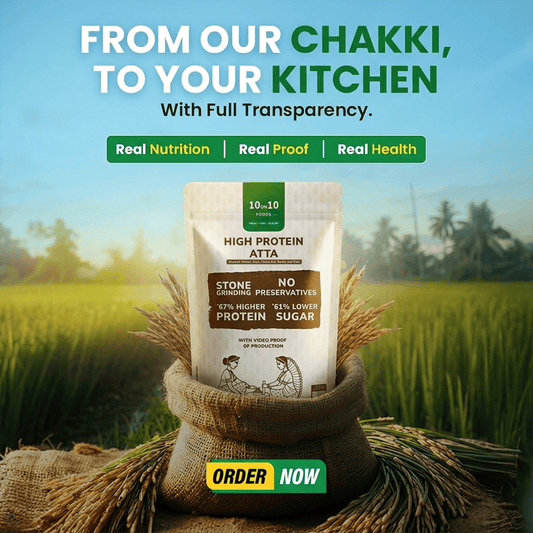
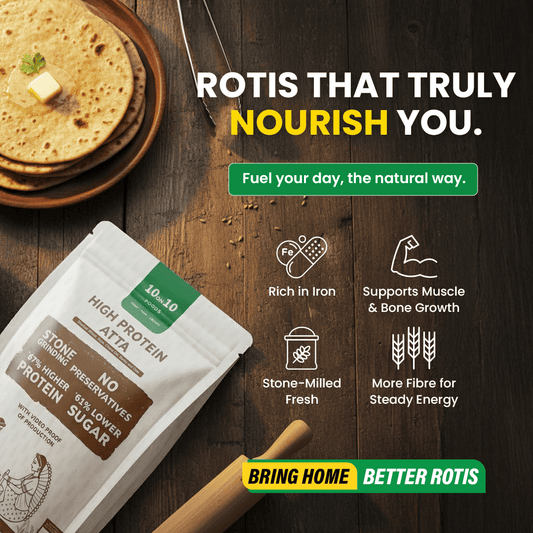
- Enhanced protein density (24.56g per 100g) compared to regular atta (12-13g)
- Fortified with plant-based proteins from pulses like chickpea, soya, or moong
- Maintains whole grain benefits while boosting protein content
- Versatile for everyday cooking and indian meals —from rotis to baking
Practical Impact: A Daily Comparison
Let's say a family of four consumes 400g of flour daily through rotis, parathas, and snacks:
|
Flour Type |
Daily Protein Intake |
Monthly Protein Gain |
|
Regular white flour |
40-44g |
— |
|
Whole wheat flour |
52-56g |
+360g |
|
High-protein flour |
72-80g |
+1,080g |
That's an additional 1kg of protein per month just by switching your base flour—without changing a single recipe.
From Tiffin Boxes to Protein Shakers
For Parents: Building Stronger Kids
Morning Breakfast Ideas:
- High-protein flour parathas stuffed with vegetables
- Jowar flour dosas with protein-rich fillings
- Multigrain pancakes or chillas for tiffin boxes
These small changes can help children meet their daily protein goals without resorting to expensive supplements or protein bars.
For Fitness Enthusiasts: Fuel Your Performance
Pre-Workout Meals:
- Multigrain rotis with nut butter (slow-releasing energy)
- Jowar flour upma or poha (light, digestible carbs)
Post-Workout Meals:
- High-protein flour roti wraps with lean proteins
- Multigrain dosa with egg whites or paneer
Many fitness enthusiasts spend hundreds on imported protein powders while their staple flour remains nutritionally basic. Smart flour choices can contribute 30-40% of daily protein requirements through regular meals—significantly reducing dependency on supplements.
For Everyone: Everyday Wellness
Whether you're managing diabetes, trying to lose weight, or simply want to eat cleaner:
- Blood sugar management: Jowar's low GI helps prevent insulin spikes
- Weight management: Higher fiber and protein increase satiety
- Digestive health: Whole grain and multigrain flours support gut microbiome
- Heart health: Reduced refined carbs lower cardiovascular risk
The 10on10 Foods Philosophy: Making Nutrition Accessible
Why Good Nutrition Shouldn't Be Complicated
The beauty of addressing nutrition through flour is its simplicity and scalability. You don't need to overhaul your entire diet or learn new cuisines. You just need to make one smart swap in your pantry.
This is where products like 10on10 Foods' high protein flour, jowar flour, and multigrain flour fit naturally into the Indian lifestyle. They're not about adding supplements or exotic superfoods—they're about elevating the staples you're already using.
The 10on10 Approach:
- Retention of traditional taste: No compromise on the flavor Indians love
- Easy substitution: Works in existing recipes without modifications
- Whole family solution: From growing kids to aging parents
- Quality sourcing: Maintaining the integrity of whole grains and millets
- Affordability: Making better nutrition accessible, not exclusive
Unlike expensive organic stores or imported health products, choosing better flour is a sustainable, long-term nutritional upgrade that fits real Indian budgets and kitchens.
Looking Ahead: The Future of Indian Nutrition
A Shift in Consciousness
India stands at a nutritional crossroads. We have the agricultural diversity, the ancient food wisdom, and now the scientific validation. What we need is action—starting with the most fundamental ingredient in our kitchens.
Key Trends Shaping the Future:
- 2023 UN International Year of Millets: Renewed global focus on traditional grains
- Government fortification initiatives: Pushing for nutrient-enriched staples
- Rising health awareness: Post-pandemic wellness consciousness
- Fitness industry growth: India’s fitness services market is valued at around $2.2 billion in 2025 and is projected to grow to $4.5 billion by 2030, expanding at roughly 15% CAGR.
- Demand for functional foods: Consumers seeking nutrition, not just calories
The future of nutrition isn't about expensive superfoods or complicated diets. It's about making smarter choices with everyday ingredients.
Practical Steps: Making the Switch Today
Your 30-Day Flour Transition Plan
Week 1-2: Start mixing (50% regular flour + 50% high-protein/multigrain flour) Week 3: Increase to 75% healthier flour Week 4 onwards: Complete transition
Tips for Success:
- Store flour in airtight containers to maintain freshness
- Knead dough slightly softer when using jowar or multigrain flour
- Add a tablespoon of oil or ghee for better texture in rotis
- Experiment with different flours for different dishes
Conclusion: One Kitchen Staple, Multiple Benefits
From the lunchbox of a primary school student to the meal prep container of a fitness enthusiast, the common denominator is simple: better flour means better nutrition.
India's nutrition challenges—whether childhood stunting, protein deficiency, or lifestyle diseases—all circle back to the quality of our dietary foundation. And that foundation, quite literally, is flour.
By choosing high-protein flour for strength, jowar flour for sustained energy and gut health, or multigrain flour for nutritional diversity, you're not just changing recipes—you're investing in long-term health for yourself and your family.
The future of nutrition doesn't require a complete lifestyle overhaul. Sometimes, it starts with one mindful choice in the flour aisle.
Your next roti could be the beginning of a healthier tomorrow.
Frequently Asked Questions (FAQs)
1. Can high-protein flour completely replace protein supplements?
While high-protein flour significantly boosts dietary protein (contributing 30-40% of daily needs through regular meals), athletes with very high protein requirements (2g+/kg body weight) may still benefit from supplementation. However, for most active individuals, combining high-protein flour with balanced meals can meet protein goals naturally.
2. Is jowar flour suitable for people with diabetes?
Yes, jowar flour has a glycemic index of 62 (considered medium-low), making it much better than refined wheat flour (GI 85+). Its high fiber content also slows glucose absorption, helping maintain stable blood sugar levels.
3. Will multigrain flour change the taste of my regular rotis?
There's a slight taste difference initially—multigrain rotis have a nuttier, earthier flavor. Most families adjust within a week. Pro tip: Start with a 50-50 blend and gradually increase the multigrain proportion.
4. How much protein does a child actually need daily?
Children need approximately 0.95-1.0g of protein per kg body weight. For example, a 30kg child needs about 30g of protein daily. Four high-protein flour rotis can contribute approximately 12-15g toward this goal.
5. Are these flours more expensive than regular wheat flour?
Premium flours like high-protein or multigrain varieties typically cost 20-40% more than basic wheat flour. However, considering the nutritional value and potential reduction in supplement costs, the long-term cost-per-nutrient is often more economical.