
High Protein Flour vs Whey Protein: Which is Better for Your Health Goals?
MOORAV FOODTECH PRIVATE LIMITED AdminShare
If you've been relying solely on whey protein shakes to meet your protein goals, you might be missing out on a more practical, affordable, and nutrient-dense alternative that's been hiding in plain sight: high protein flour.
Here's a reality check: while the whey protein market is projected to hit $14.58 billion in 2026 Fortune Business Insights, millions of health-conscious people are discovering that you don't need expensive supplements to boost your protein intake.
High protein flour offers something whey protein never can: real food that seamlessly integrates into your daily meals without the artificial aftertaste, digestive issues, or premium price tag.
Let's explore why high protein flour deserves a spot in your kitchen—and when whey protein still makes sense.
What is High Protein Flour? Your Everyday Protein Powerhouse
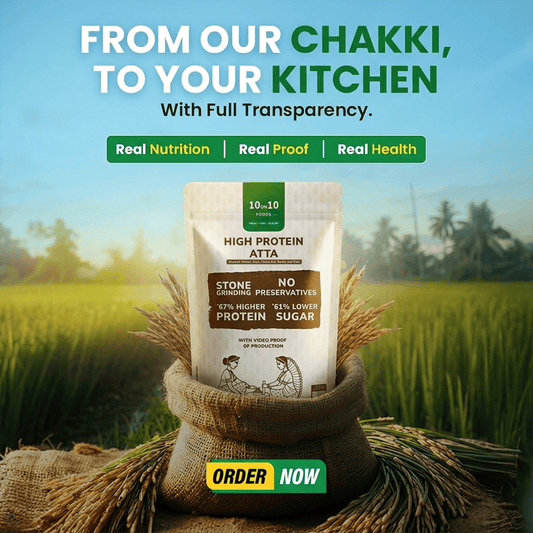
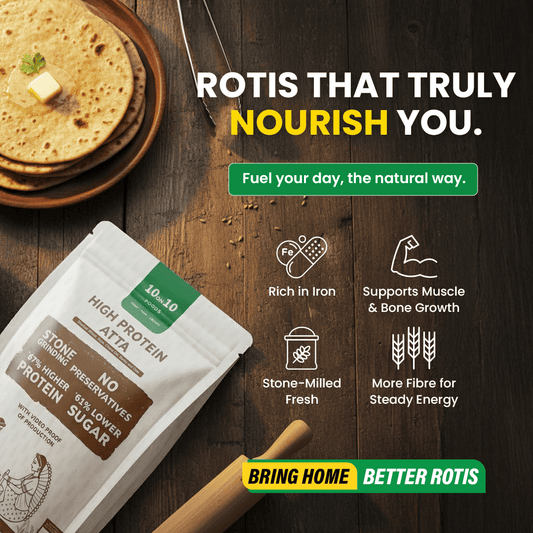
High protein flour is wheat flour milled from hard wheat varieties containing 12-14% protein—significantly higher than standard all-purpose flour's 10-11%. But the real game-changer is high protein atta, especially popular in Indian and Asian markets.
These fortified blends combine wheat with soya, channa (chickpea), peanuts, and other legumes to create multigrain flours delivering an impressive 24-46g of protein per 100g 10on10Foods.
Why High Protein Flour Works
Unlike isolated protein powders, high protein flour provides:
- Complete nutrition package: Protein + complex carbs + fiber + micronutrients
- Sustained energy release: 4-6 hours of steady fuel (vs. whey's quick spike)
- Natural satiety: High fiber keeps you full for hours
- Versatile usage: Use it exactly like regular flour—no lifestyle changes needed
- Family-friendly: Everyone eats the same meals, no separate "diet food"
Think about it: when was the last time your whole family enjoyed a protein shake together versus sitting down for fresh, hot rotis or pancakes?
What is Whey Protein? Understanding the Supplement
Whey protein is the liquid by product of cheese-making, processed into powder form. It's the most popular protein supplement globally, available in three forms:
- Whey Concentrate: 70-80% protein, contains lactose
- Whey Isolate: 90%+ protein, minimal lactose
- Whey Hydrolysate: Pre-digested, fastest absorption
Where Whey Excels
Whey protein has legitimate advantages:
- Complete amino acid profile: All 9 essential amino acids
- Rapid absorption: 60-90 minutes post-consumption
- High leucine content: Triggers muscle protein synthesis
- Convenience: 30-second preparation
- Protein density: 80-90g protein per 100g
But here's what supplement companies don't tell you: most people don't need isolated protein powders if they're eating strategic whole foods.
High Protein Flour vs Whey Protein: The Real-World Comparison
|
Factor |
High Protein Flour |
Whey Protein |
|
Protein per 100g |
24-46g (enriched atta) 12-14g (wheat flour) |
80-90g |
|
Calories per 100g |
335-364 |
370-400 |
|
Cost per kg |
$2-8 |
$15-50 |
|
Protein cost efficiency |
✅ $0.08-0.33 per 10g protein |
❌ $1.67-5.50 per 10g protein |
|
Fiber per 100g |
12-13g |
0-2g |
|
Micronutrients |
✅ B vitamins, iron, magnesium, zinc |
⚠️ Minimal (unless fortified) |
|
Satiety factor |
⭐⭐⭐⭐⭐ (lasts 4-6 hours) |
⭐⭐⭐ (lasts 2-3 hours) |
|
Digestive health |
✅ Prebiotic fiber feeds gut bacteria |
⚠️ Can cause bloating/gas |
|
Meal integration |
✅ Makes actual food |
❌ Liquid supplement |
|
Family-friendly |
✅ Everyone eats together |
❌ Individual consumption |
|
Lactose-free |
✅ 100% plant-based |
❌ Contains dairy (except isolate) |
|
Allergen concerns |
Gluten |
Dairy |
|
Taste |
✅ Neutral, traditional |
⚠️ Artificial sweeteners common |
|
Environmental impact |
✅ Lower carbon footprint |
❌ Higher (dairy industry) |
The Cost Reality: High Protein Flour Wins Dramatically
Let's talk about what nobody mentions: the actual cost of getting your daily protein.
30g Protein Cost Comparison:
High Protein Flour (30% protein content):
- Amount needed: 100g
- Cost: $0.20-0.80
- Bonus: 12g fiber + complex carbs + micronutrients
- Makes: 3-4 rotis/chapatis that feed your whole family
Whey Protein Isolate:
- Amount needed: 35g
- Cost: $0.50-1.75
- Bonus: Nothing substantial
- Makes: One individual shake
Monthly protein cost (90g daily protein):
- High Protein Flour: $18-72
- Whey Protein: $45-160
Annual savings with high protein flour: $324-1,056
Now imagine redirecting those savings toward fresh vegetables, fruits, and lean meats. That's how you build genuinely healthy nutrition, not just hit arbitrary protein numbers.
High Protein Flour vs Whey Protein Calories: The Context Matters
Here's where most comparisons mislead you. Yes, whey has more protein per 100g. But who eats naked protein powder?
Real-World Calorie Comparison:
Typical Whey Protein Shake:
- 35g whey protein: 130-140 cal
- 250ml whole milk: 150 cal
- 1 banana: 105 cal
- 1 tbsp peanut butter: 95 cal
- Total: 480-490 calories
High Protein Atta Breakfast:
- 3 rotis (75g flour): 250 cal
- 1 cup vegetable curry: 120 cal
- 1 tbsp ghee: 112 cal
- Total: 482 calories
- Protein: ~23-25g (from rotis + vegetables)
Both provide similar calories, but the high protein flour meal delivers:
Complete nutrition with vegetables
10-12g fiber for digestive health
Complex carbs for sustained energy
Actual satiety lasting 4-6 hours
Real food your body recognizes
The whey shake? You'll be hungry again in 2 hours.
Whey Protein vs High Protein Atta: The Digestibility Truth (And Why It Doesn't Matter As Much As You Think)
Yes, whey protein has superior digestibility (95-100% bioavailability) compared to wheat protein (66-74%) Reddit Discussion.
But here's the critical context most articles ignore:
Digestibility in Isolation vs. Real Meals
The Science:
- Whey's PDCAAS score: 1.00 (perfect)
- Wheat's PDCAAS score: 0.42-0.52
The Reality: When you combine high protein atta with dal (lentils), chickpeas, or yogurt, you create protein complementation—different plant proteins fill each other's amino acid gaps, approaching complete protein status.
Example: Traditional Indian Thali
- High protein rotis (wheat-soy blend): deficient in lysine
- Dal (lentils): rich in lysine, deficient in methionine
- Combined PDCAAS: 0.85-0.95 (nearly equivalent to whey!)
Your grandmother knew this instinctively. Traditional food combinations across cultures evolved precisely because they maximize nutritional value.
When High Protein Flour is the BETTER Choice
For 90% of Health-Conscious People
If you're not a competitive athlete or bodybuilder, high protein flour is superior because:
1. Sustained Energy Throughout the Day
- Complex carbs prevent blood sugar crashes
- Stable energy for work, parenting, exercise
- No 3 PM energy slump requiring another shake
2. Digestive Health Benefits
- 12-13g fiber per 100g feeds healthy gut bacteria
- Regular bowel movements (whey often causes constipation)
- Reduced inflammation from diverse plant compounds
3. Weight Management Superiority
- Fiber + protein combination = maximum satiety
- Study shows high-fiber diets reduce total calorie intake by 10-15%
- You naturally eat less without willpower battles
4. Nutrient Density High protein atta provides:
- B vitamins (energy metabolism)
- Iron (oxygen transport, especially important for women)
- Magnesium (300+ enzymatic reactions)
- Zinc (immune function)
- Antioxidants from whole grains
Whey protein? Basically just protein and calcium.
5. Blood Sugar Management
- Lower glycemic index than white flour
- Fiber slows glucose absorption
- Better for pre-diabetics and diabetics (with portion control)
6. Environmental Sustainability
- Lower carbon footprint than dairy production
- Supports local agriculture
- Reduced packaging waste
7. Cultural and Social Connection
- Makes traditional family meals
- No explaining "your special diet" at gatherings
- Kids learn healthy eating through normal food
When Whey Protein Makes Sense
Let's be fair—whey protein isn't useless. It excels in specific scenarios:
Genuine Use Cases for Whey:
1. Post-Intense Workout Recovery (30-60 minute window)
- Rapid amino acid delivery to muscles
- Convenient when you can't cook immediately
- Proven muscle protein synthesis stimulation
2. Very High Protein Needs (>2g per kg bodyweight)
- Competitive athletes
- Bodybuilders in bulking phases
- Difficult to meet purely through whole foods
3. Medical Situations
- Recovering from surgery/illness
- Elderly with poor appetite
- Muscle wasting conditions
4. Travel/Convenience
- Business trips where cooking isn't possible
- Quick breakfast when running late
- Between-meal protein boost
5. Specific Dietary Restrictions
- Gluten intolerance (can't use wheat-based protein flour)
- Very low-carb/keto diets
- Allergies to legumes
The key difference: These are supplemental situations, not everyday nutrition strategies.
The Protein Quality Argument: Let's Get Practical
Yes, whey protein has all 9 essential amino acids. Yes, it has high leucine content. But your body doesn't care where amino acids come from—it cares that you get them.
Daily Protein Strategy That Actually Works:
Morning: High protein atta pancakes with eggs
→ Complete protein from eggs + atta
Lunch: High protein rotis + dal + yogurt
→ Protein complementation creates complete profile
Snack: Handful of nuts
→ Additional amino acids
Dinner: High protein atta base + lean chicken/fish/tofu
→ Complete protein again
Total cost: $3-5 per day
Whey protein equivalent: $8-15 per day
Nutrition quality: Superior (more micronutrients, fiber, variety)
High Protein Flour vs Whey Protein Difference: Health Benefits Compared
High Protein Flour Unique Benefits:
Gut Microbiome Health
Prebiotic fiber feeds beneficial bacteria, producing short-chain fatty acids that reduce inflammation PMC Research
Cardiovascular Protection
High-protein flours made from whole grains and legumes contain fiber and plant nutrients that are associated with better cardiovascular health.
Blood Sugar Management
Fiber and resistant starch found in certain high-protein flours may help slow carbohydrate absorption and support more stable blood sugar levels.
Cancer Risk Reduction
Fiber-rich diets that include whole-grain flours are associated with a lower risk of colorectal cancer and support overall digestive health.
Steady Nutrient Absorption
High-protein flour consumed as part of regular meals provides gradual digestion and steady nutrient release compared to isolated protein supplements.
Liver Health
Whole-grain foods are linked to better metabolic health, which may support healthy liver function when included as part of a balanced diet.
Balanced Protein Intake
Protein consumed through regular meals using high-protein flour helps support balanced daily protein intake alongside other essential nutrients.
Whey Protein Unique Benefits:
Rapid Muscle Recovery
Fast absorption ideal for post-workout window Healthline
Leucine Density
14g per 100g directly triggers mTOR pathway for muscle growth
Immune Support
Immunoglobulins and lactoferrin boost immunity
Glutathione Production
Precursor for body's master antioxidant
Side Effects Comparison: High Protein Flour is Gentler
High Protein Flour Concerns (Minimal):
⚠️ Gluten sensitivity – Not suitable for celiacs (consider gluten-free alternatives)
⚠️ Initial fiber adjustment – Start gradually if increasing fiber significantly
⚠️ Portion awareness – Still contains carbs, so diabetics need monitoring
Whey Protein Concerns (More Significant):
⚠️ Digestive distress – Bloating, gas, diarrhea common
⚠️ Lactose intolerance – 65% of global population affected
⚠️ Acne flare-ups – Hormones in dairy can worsen skin
⚠️ Kidney stress – High isolated protein loads strain kidneys WebMD
⚠️ Liver concerns – 2024 study warns about compromised liver function PMC Study
⚠️ Heavy metal contamination – Some brands contain lead, arsenic Harvard Health
Statistics: Up to 40% of whey protein users report digestive issues vs. <5% with high protein flour.
How to Transition to High Protein Flour
Week 1-2: Blend and Learn
- Replace 50% of regular flour with high protein flour
- Start with familiar recipes (rotis, pancakes, muffins)
- Let your digestive system adjust to increased fiber
Week 3-4: Full Replacement
- Use 100% high protein flour in daily cooking
- Experiment with bread, pizza dough, cookies
- Notice improved satiety and energy levels
Complementary Protein Strategy:
Pair high protein flour with:
- Legumes (dal, chickpeas, beans) → completes lysine
- Dairy (yogurt, paneer) → adds complete protein
- Eggs → perfect amino acid profile
- Nuts and seeds → healthy fats + additional protein
Practical High Protein Flour Recipes
High Protein Breakfast Pancakes
- 100g high protein flour (24-30g protein)
- 2 eggs (12g protein)
- 250ml milk (8g protein)
- Total: 44-50g protein for entire family
- Cost: $1.50-2.00
Post-Workout High Protein Roti Wrap
- 2 high protein rotis (12-15g protein)
- 100g grilled chicken (31g protein)
- Vegetables + hummus (5g protein)
- Total: 48-51g protein
- Cost: $2.50-3.50
Frequently Asked Questions (FAQs)
1. Can high protein flour completely replace whey protein for muscle building?
For most recreational fitness enthusiasts: Yes, absolutely. Research shows that total daily protein intake matters more than timing or source. If you're consuming 1.6-2.2g protein per kg bodyweight through strategic whole foods (high protein flour + complementary proteins), you'll build muscle effectively.
However, if you're a competitive athlete training 2+ hours daily or bodybuilder requiring 2.5g+ protein per kg, whey can provide convenient supplemental protein without excessive food volume.
2. Is high protein flour better for weight loss than whey protein?
Yes, for sustainable weight loss. High protein flour provides superior satiety due to fiber content, keeping you full 4-6 hours vs. whey's 2-3 hours. Studies show high-fiber, whole-food diets result in 10-15% lower calorie intake naturally—without conscious restriction. Plus, you avoid the psychological trap of "drinking calories" which doesn't register satiety as effectively as chewing real food.
3. Which is more cost-effective: high protein atta or whey protein?
High protein flour is 6-10x more cost-effective. For 30g protein:
- High protein atta: $0.20-0.80 (plus fiber and nutrients)
- Whey protein: $1.50-1.75 (minimal additional nutrition)
Annual savings: $300-1,000+ depending on protein needs.
4. Does high protein flour have enough protein for athletes?
Yes, when combined strategically. Example athlete meal plan (70kg athlete needing 140g protein):
- Breakfast: High protein atta pancakes + eggs (35g protein)
- Lunch: High protein rotis + dal + chicken (40g protein)
- Snack: Greek yogurt + nuts (20g protein)
- Dinner: High protein atta base + fish + legumes (40g protein)
- Total: 135-145g protein
Completely achievable without supplements. Add one whey shake only if training volume exceeds 2 hours daily.
5. Can diabetics use high protein flour safely?
Yes, it's actually beneficial for most diabetics. High protein flour has a lower glycemic index than regular flour due to increased protein and fiber content. The fiber slows glucose absorption, preventing blood sugar spikes. However:
- Monitor portion sizes (still contains 50-60g carbs per 100g)
- Test blood glucose response individually
- Pair with protein and healthy fats to further slow digestion
- Consult your healthcare provider for personalized guidance
6. Is the protein in high protein flour as "good" as whey protein?
In isolation? No. In real-world eating? Yes. Whey has superior amino acid profile and digestibility when measured alone. But when you eat high protein flour with complementary proteins (dal, yogurt, eggs), you achieve nearly complete amino acid profiles with better overall nutrition—fiber, micronutrients, and phytochemicals that whey lacks entirely.
Think holistically: Would you rather have perfect protein in isolation or 95% complete protein PLUS fiber, vitamins, minerals, and sustained energy?
7. Will high protein flour make me gain weight?
No, if consumed appropriately. Despite containing carbs, high protein flour actually aids weight management through:
- Superior satiety reducing total calorie intake
- Stable blood sugar preventing cravings
- Higher thermic effect (20-30% calories burned during digestion)
Weight gain occurs from calorie surplus, not from specific foods. Use high protein flour to replace regular flour—not in addition to your current diet.
The Bottom Line: Choose Smart, Not Expensive
Here's what the supplement industry doesn't want you to know: you don't need expensive protein powders if you're eating strategically.
High protein flour represents genuine nutrition innovation—taking whole foods and optimizing them for modern protein needs WITHOUT stripping away the fiber, micronutrients, and functional compounds that make food actually nourish you.
Choose high protein flour as your foundation if you:
- Want sustainable, affordable protein intake
- Value whole food nutrition over supplements
- Need lasting satiety for weight management
- Prefer cooking real meals for your family
- Want to avoid digestive issues from isolated proteins
- Care about environmental sustainability
Add whey protein strategically only if you:
- Train intensely (>1.5 hours daily)
- Need rapid post-workout recovery
- Have medical protein requirements
- Travel extensively with limited cooking access
Remember: your great-grandparents built strong, healthy bodies without a single protein shake. They combined grains with legumes, dairy, and occasional meat—exactly what high protein flour enables you to do more efficiently.
The "best" protein isn't the one with the highest laboratory score. It's the one you'll actually consume consistently as part of delicious, satisfying meals that nourish your entire body—not just your muscles.