
Best High-Protein Flour in India – Stone-Ground, Ranked
MOORAV FOODTECH PRIVATE LIMITED AdminShare
Looking to pump up your protein intake without drinking protein shakes or eating boring eggs every day? If so, then let us disclose a secret to you: your power pack secret for protein is right there in the kitchen, yes, you heard it right.
And, those protein-packed ingredients are different types of atta and flours!!!
Be it a classic wheat flour, almond, chickpea, or even funky hemp seed flour, you can find various high-protein options for every taste in your kitchen. Flours are a pantry staple in every Indian household.
Therefore, adding high-protein flours to the daily diet can boost your nutrition intake, support muscle growth, and maintain sturdy energy levels.
Let’s break down the best atta for protein intake and see how they compare.
High Protein Flour
- Protein: 12–15g Per 100g (can go higher depending on the blend)
- Carbohydrates: 65–70g
- Dietary Fibre: 10–12g
- Fat: 1.5–3g
- Iron: 3–4mg
- Magnesium: 130–150mg
- B Vitamins: Including B1 (Thiamine), B3 (Niacin), and B9 (Folate)
The one that tops the list is none other than a “High protein flour” itself. While other brands contains 12-15g protein This is widely recognised as the best atta for protein intake for those who aim to increase their daily protein consumption through regular meals like rotis, chapatis, or parathas.
This flour is prepared by mixing premium wheat varieties or fortifying 100% whole wheat atta with protein-rich ingredients such as soy flour, chana flour, or vital wheat gluten. High-protein flour is the absolute most versatile, nutrient-rich, and easy-to-use flour. Therefore, it isn’t just an ingredient; it’s a fuel for fitness lovers, a low-carb food for keto fans, and much-needed protein for vegans.
Coconut Flour
- Protein: 18–20g per 100g
- Calories: 400 kcal
- Fibre: 35–40g
- Carbs: Low-digestible carbs
- Iron: 22% of the Daily Value (DV)
- Potassium: 18% of the DV
Coconut flour is made from dried coconut meat after extracting coconut milk. This flour is totally grain-or gluten-free flour and is known for its rich coconut flavour. While not the highest in protein, it grabs attention because of its extremely high fibre content.
Unlike grain flours or wheat atta, it contains a substantial amount of fat, which is primarily saturated and heavily constructed of medium-chain triglycerides (MCTs). Overall, it supports digestion and gut health.
Chickpea Flour (Besan) : The Traditional Indian Protein Superstar
- Protein: 21–22g per 100g
- Calories: 387 kcal
- Fibre: 10g
- Carbs: 58g
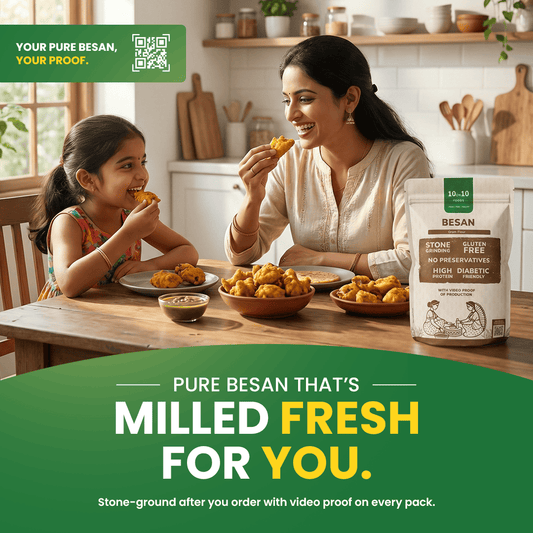
As the name suggests, chickpea, aka gram flour, is made from ground chickpeas. It is yet another gluten-free flour, having a nutty flavour. In Indian households, chickpea flour is most commonly used to prepare dishes such as savoury pancakes, chapatis, besan chilla, kadhi, dhokla, and flatbreads.
Nevertheless, it is believed to be a protein superstar in Indian kitchens. Why? Because it contains double the protein of regular wheat flour. Other reasons why chickpea flour is considered great for health include high folate and iron, supports heart health, and has a low glycemic index.
Lentil Flour (Dal Flour)
- Protein: 24–26g per 100g
- Calories: 350–370 kcal
- Fibre: 11g
- Iron: High
Lentil flour is an excellent source of plant-based protein and essential nutrients. It is made by grinding different dals such as masoor or moong. Due to this, lentil flour contains more protein than wheat and even slightly more than besan.
The reason why it is considered the best atta for protein intake is that there are several health benefits associated with lentil flour. For instance, it supports muscle repair, improves gut health, is rich in iron and potassium, and is naturally gluten-free.
Hemp Seed Flour
- Protein: 30–35g per 100g
- Calories: 390 kcal
In a true sense, hemp seed flour is a protein powerhouse made from hemp seeds. This product contains all nine (healthy omega-3 and omega-6 fatty acids) essential amino acids. This makes it a comprehensive plant protein.
If you’re serious about getting more protein, hemp flour is a “hidden gem” in the flour world. We say this because it has been shown to be great for promoting health, supporting muscle growth, being high in Magnesium, and having anti-inflammatory qualities.
Almond Flour : Best Low-Carb, High-Protein Pick for Keto
- Protein: 21g per 100g
- Calories: 575 kcal
- Healthy Fats: 50g
- Carbs: Low
Although it is rare in Indian households, almond flour is one of the best high-protein alternatives one can consider adding to their meals. Let us give you a brief overview of how it is made. The process goes by grinding blanched almonds into a fine powder.
This flour is a good source of Magnesium, omega-3 unsaturated fats, vitamin E, and plant protein. Moreover, it is low in carbs and is gluten-free. This flour can add a nutty flavour and moist texture to cookies, muffins, or pancakes. Overall, almond flour is the best atta for protein intake as it is great for weight management, supports brain health, and is keto-friendly.
Quinoa Flour
- Protein: 14–15g per 100g
- Calories: 368 kcal
- Fibre: 7g
The next in the list is “Quinoa Flour”. Quinoa flour is made from the ancient grain quinoa, which was often called a “superfood”. This flour is a highly nutritious gluten-free pseudocereal, which means it hasn’t been processed and refined.
In addition to this, Quinoa flour boosts antioxidant and anti-inflammatory effects that contribute to great digestive health, inhibit tumour growth, and lower overall disease risk. The only bummer with this flour is that it is slightly lower in protein than lentil or hemp flour.
Oat Flour : Heart-Healthy Protein for Weight Management
- Protein: 13–14g per 100g
- Calories: 404 kcal
- Fibre: 10g (rich in beta-glucan)
- Carbohydrates: 65–68g
- Fat: 6–7g (mostly healthy unsaturated fats)
- Iron: 3–4mg
- Magnesium: 130mg
Oat flour is yet another best atta for protein intake because it is heart-friendly and excellent for digestion. Since it is made by grinding whole oats into a fine powder, oat flour carries forward all the goodness of whole oats.
Besides this, oats contain a unique protein called avenalin, which accounts for about 80% of their protein content. Given that, oat protein has a good amino acid profile and can go well with lentils or chickpea flour to create a more balanced protein meal.
For example, you can pair it in the following ways:
- Oat + besan chilla
- Oat + moong dal roti
- Oat + yoghurt-based recipes
By combining oats with flour as suggested, you are improving the overall biological value of the protein in your meal.
Buckwheat Flour
- Protein: 13g per 100g
- Calories: 335 kcal
- Fibre: 10g
- Carbohydrates: 70g
- Fat: 3g
- Magnesium: 230mg
- Iron: 2–3mg
Last but not least, Buckwheat flour is yet another high-protein flour that is prepared by grinding buckwheat groats, similar to quinoa. If you are unaware of what buckwheat is, it is a plant known for its grain-like seeds. Despite its name, buckwheat is gluten-free and not related to wheat.
Meanwhile, if you are searching for the best atta for protein intake that is also gluten-free, buckwheat flour is unquestionably a strong competitor. It is rich in antioxidants, supports heart health, is an excellent source of Magnesium, supports digestive health, and is popular in fasting recipes or rotis in India. In contrast, it can go well in pancakes or quick breads.
Multigrain Flour
- Protein: 11–14g
- Carbohydrates: 60–68g
- Dietary Fibre: 10–15g
- Fat: 2–4g (depending on grain mix)
- Iron: 3–5mg
- Calcium: 40–120mg (higher if ragi is included)
Multigrain Atta is high in plant-based protein as it includes a wholesome blend of multiple grains such as whole wheat, oats, barley, ragi, jowar, chana, and sometimes soy. Due to this reason, it also has more nutrients and flavours than ordinary wheat flour.
Moreover, multigrain flour helps maintain stable blood glucose levels in the human body, while grains like oats and barley help in managing cholesterol levels since they contain beta-glucan. Despite these, multigrain atta offers a multitude of benefits. Nevertheless, adding it to your diet can improve your overall health.
Quick Comparison: Which Flour Offers the Most Protein?
|
Flour Type |
Protein (per 100g) |
Fibre |
Gluten-Free |
Best For |
|
High Protein Flour |
12g–15g |
5g–12g |
No |
Daily rotis and muscle support |
|
Chickpea Flour |
21g–22g |
10g-11g |
Yes |
Indian recipes and high protein |
|
Lentil Flour |
24g–26g |
10.8g–20.8g |
Yes |
Muscle repair and iron intake |
|
Hemp Seed Flour |
31g-43g |
Moderate |
Yes |
Complete plant protein |
|
Oat Flour |
13–14g |
6.5g-13g |
No |
Heart health and digestion |
|
Buckwheat Flour |
13g |
4g |
Yes |
Fasting and gluten-free diets |
|
Multigrain Flour |
14.8g |
10g–15g |
Depends |
Balanced daily nutrition |
As demonstrated by the table above, hemp seed flour and chickpea flour are proven to be the best atta for protein intake. On that note, include them in your daily diet and improve your well-being.
Final Words
To end on a high note, the world of high-protein flours offers numerous options. As far as protein is your priority, hemp seed flour, lentil flour, and chickpea flour top the list. Each of them offers a unique taste and nutrient profile. Plus, people are open to experimenting with different flours to find the ones that suit their recipes best and to satisfy their taste buds. However, the best atta for protein intake ultimately depends on your dietary needs, taste preferences, and health goals.
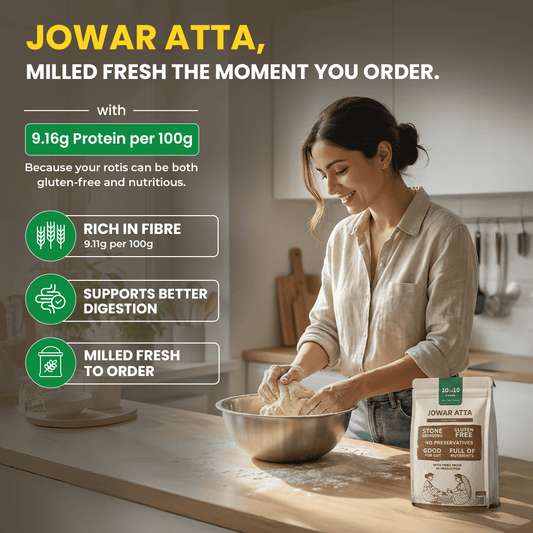
At 10on10 foods, we provide high-quality and nutrient-dense flour options for different dietary choices. Our star product, “high-protein atta”, stands out as a superb source of nutrition. It delivers an impressive 8.75g of protein per 35g of dough. The products that you can find listed on our site are committed to combining taste with health. Thus, we aim to ensure that every roti, chilla, or bake you prepare gives real nutritional value to your plate.
Want the full lineup? Explore our Everyday Protein collection for stone-ground high-protein atta, or try besan for another plant-protein staple — both milled fresh after you order.
FAQs
Q1: Which Flour Has the Highest Protein?
A: If you are looking for the absolute highest protein content per 100g, Hemp Seed Flour (30-35g) and Lentil/Chickpea Flour (21-26g) top the list. For daily traditional Indian cooking (like rotis), fortified High-Protein Atta or Multigrain Atta are the most practical choices.
Q2: Would it be possible to use high-protein flours in place of all-purpose flour in any recipe?
A: Absolutely yes! You can switch high-protein flours for all-purpose flour for most of the recipes. But make sure to do that with careful adjustments.
Q3: How can I preserve the freshness of high-protein flours in storage?
A: People are advised to store the high-protein flour in airtight containers and place them in a cool, dry place. For additional care, consider keeping them in the refrigerator or freezer to extend the shelf life.